
Gharaunda, Panipat–Karnal belt
How the blankets are made
Eight steps, run identically across both our units. Nothing goes out to job-workers.
The process
Yarn to carton, eight stages
Weaving, printing, washing, raising, polishing, finishing, packing and despatch — filmed on the floor as it happens, not staged.
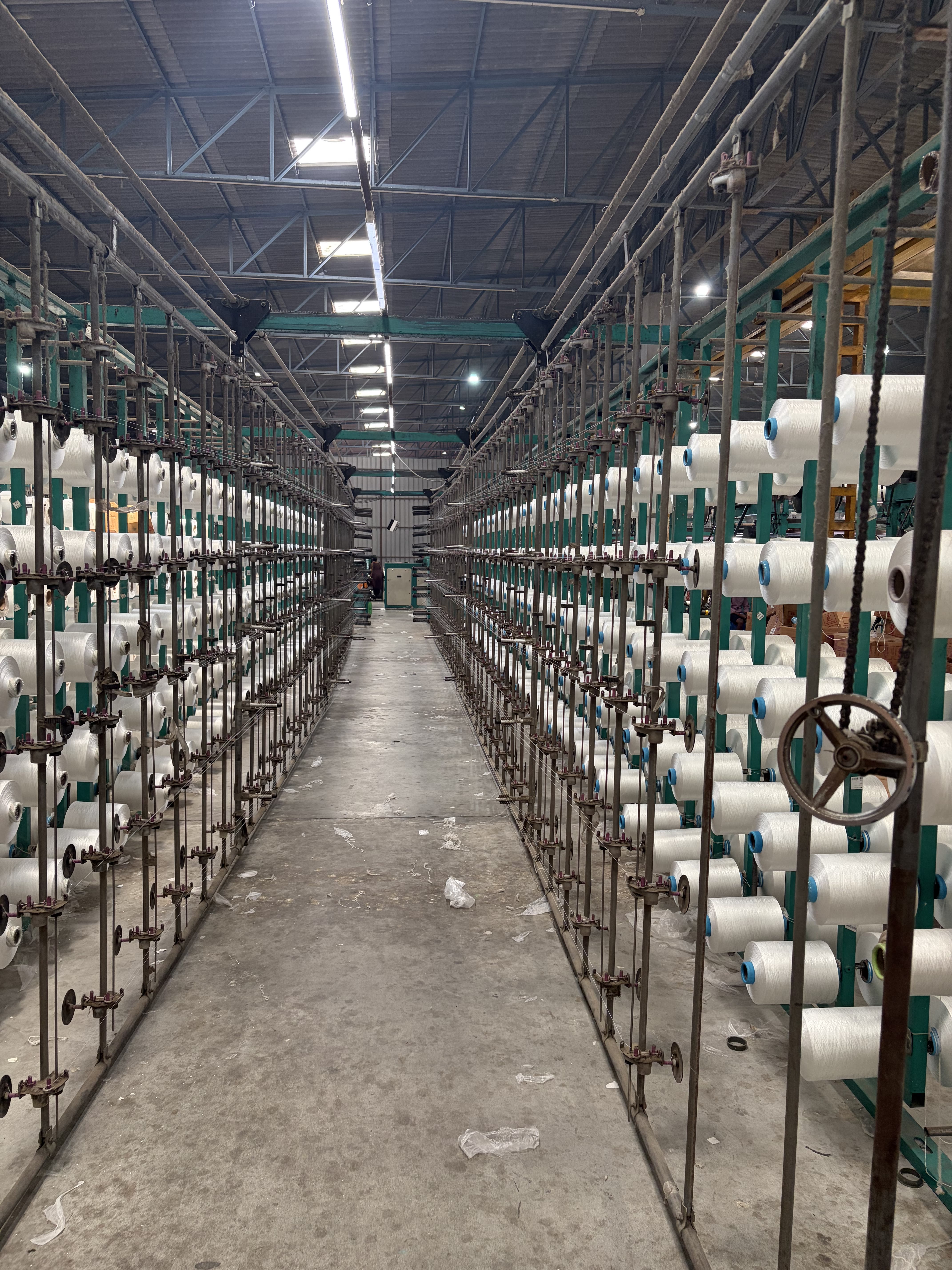
01 / 08 · Yarn
Polyester selection
Denier and lustre chosen per quality. Mink, cloudy and supersoft each take a different yarn build, which is where the hand of the finished blanket is really decided.
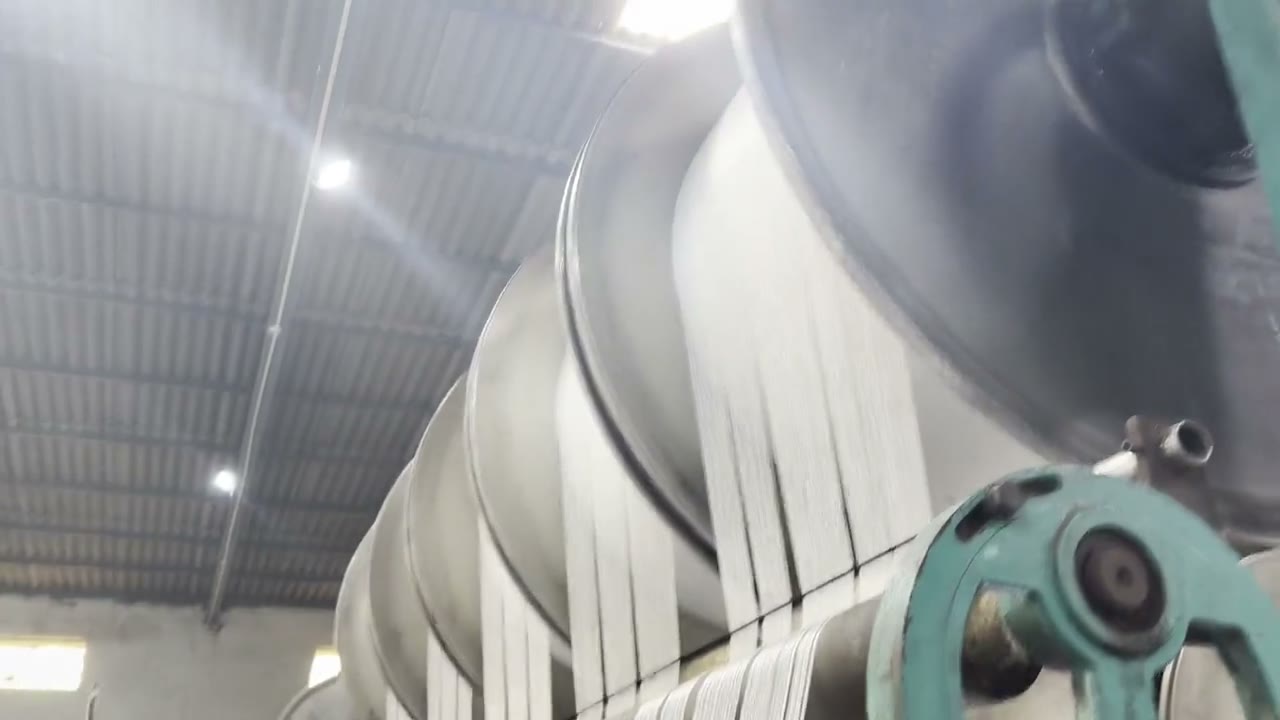
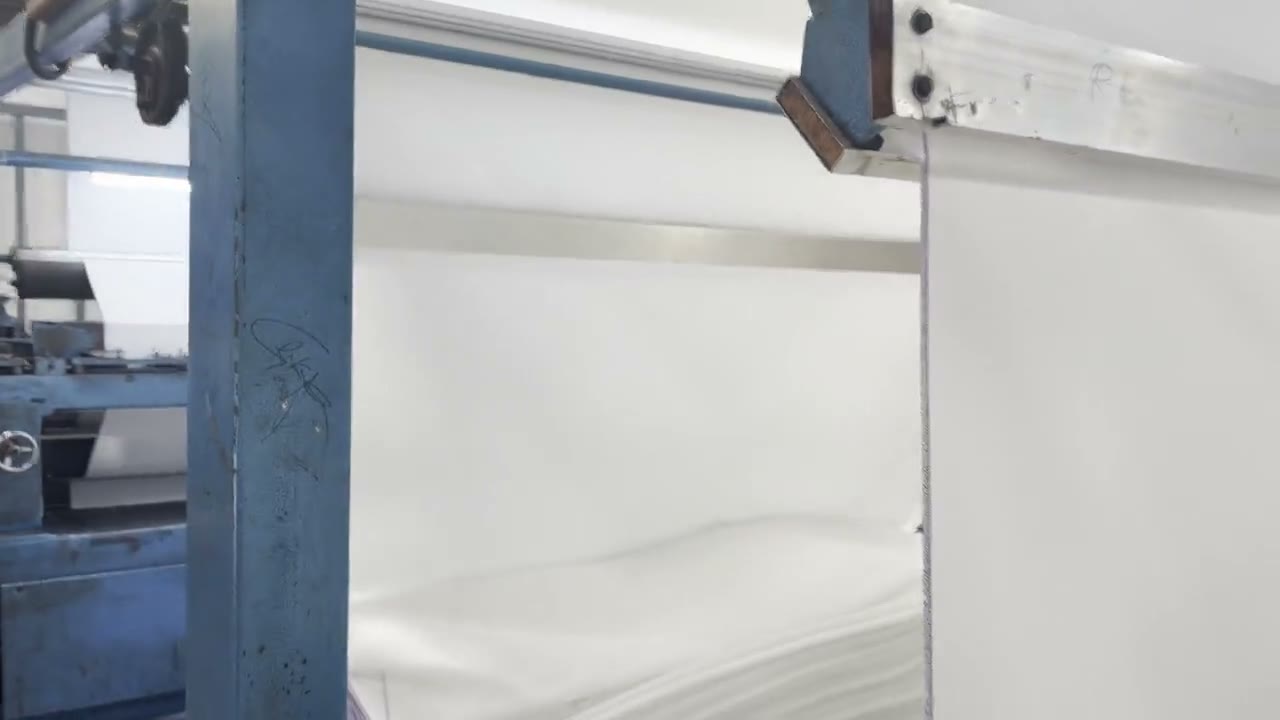
02 / 08 · Weave
Raschel knitting
Knitted and heat-set to a stable width for each product. Single ply goes to finishing directly; double ply is bonded, which is what gives a blanket that lies flat and holds shape after washing.
03 / 08 · Print
Flatbed printing
Designs printed in-house on flatbed machines. Because the artwork, the screens and the run all sit in one building, a colour correction is a conversation rather than a re-order.
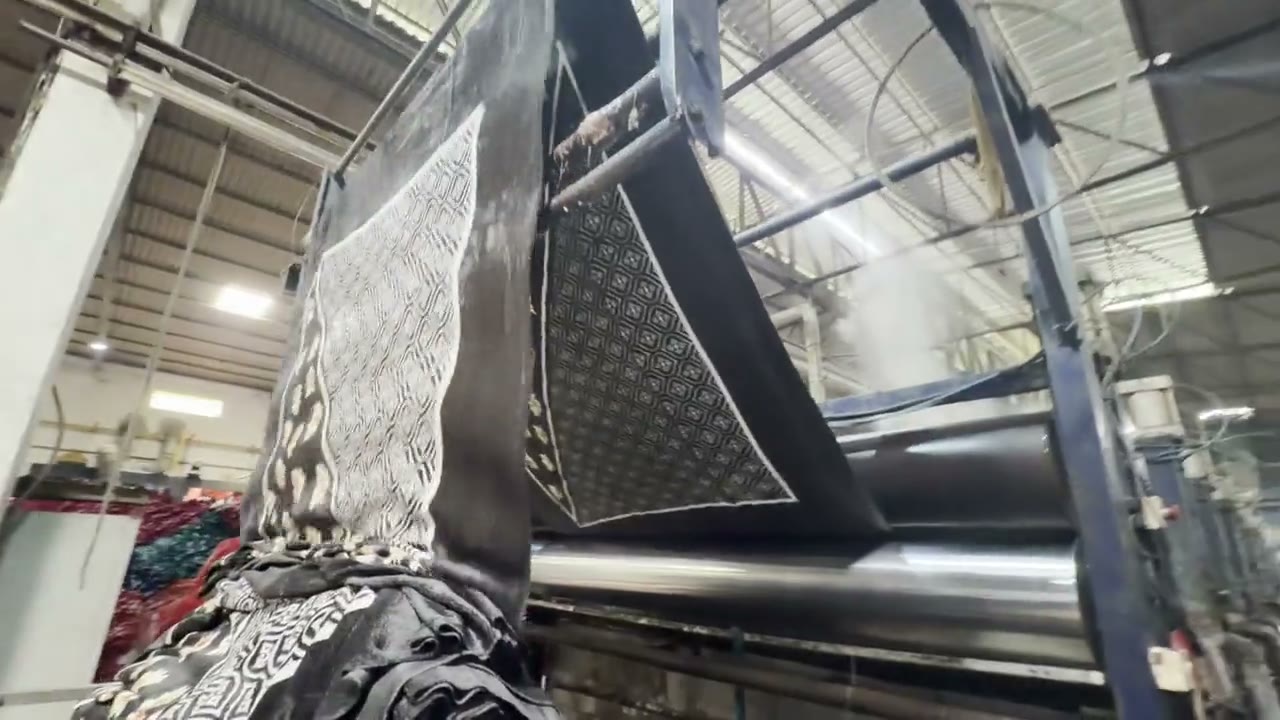
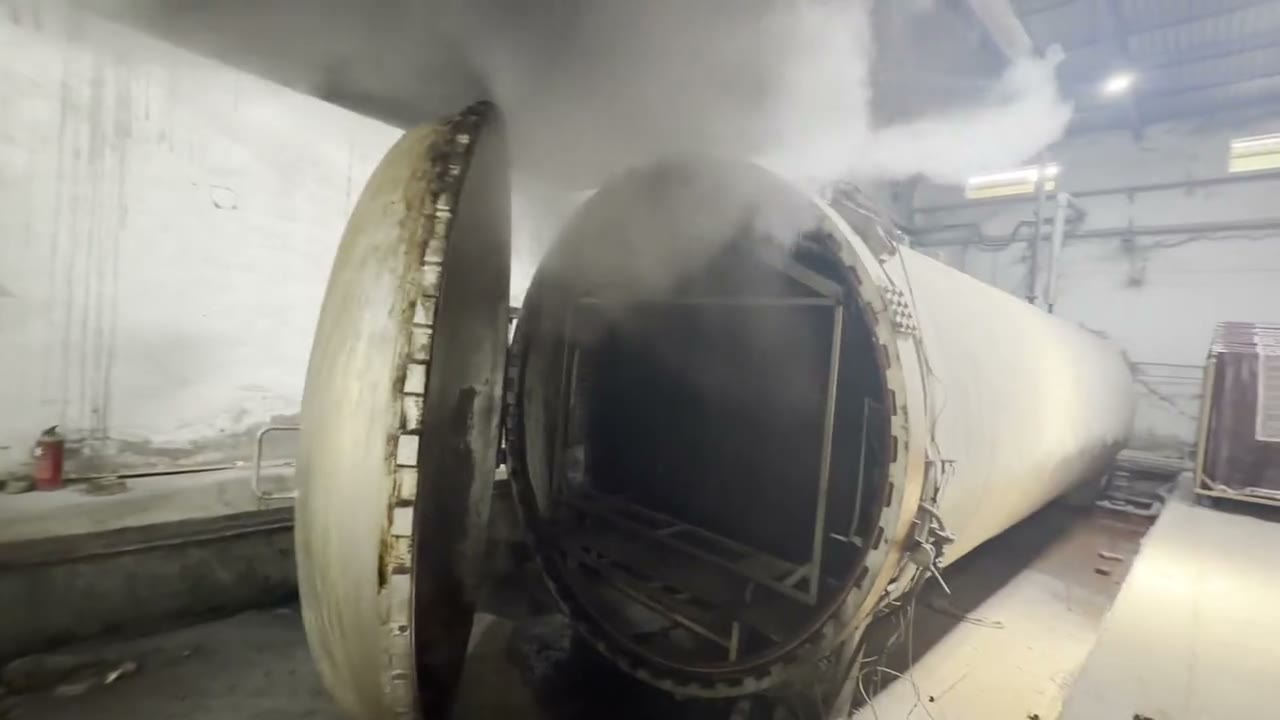
04 / 08 · Wash
Washing and dehydration
Unfixed dye and printing chemicals are washed out and the fabric dehydrated before it goes to raising — the step our effluent treatment plant exists for.
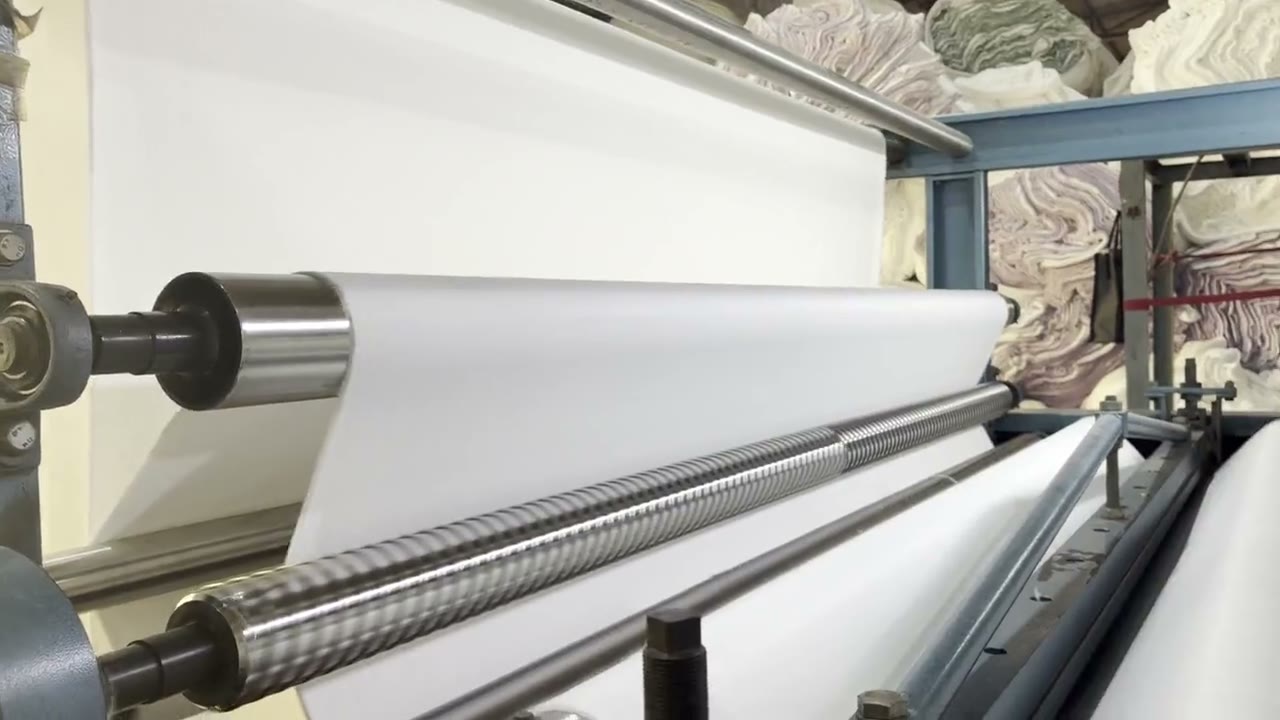 Raising
 05 / 08 · Raise
Raising and polishing
Two distinct passes, not one: the pile is raised, then polished flat to an even height. This sequence, more than any other, is what separates a blanket that still looks new in its second winter from one that does not.
06 / 08 · Finish
Finishing and inspection
Softening, binding, inspection and folding. Every piece is looked at before it is bagged.
07 / 08 · Pack
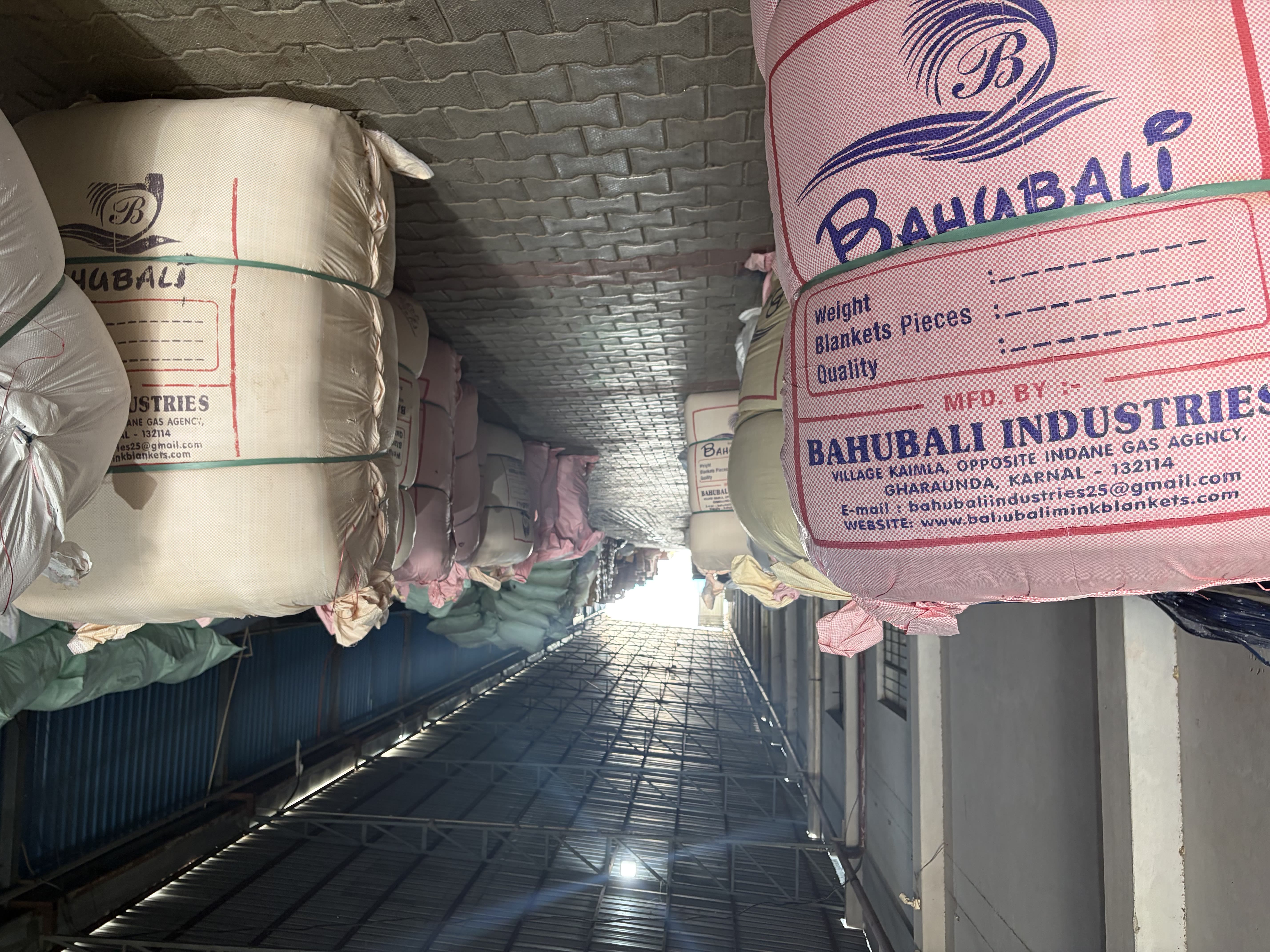
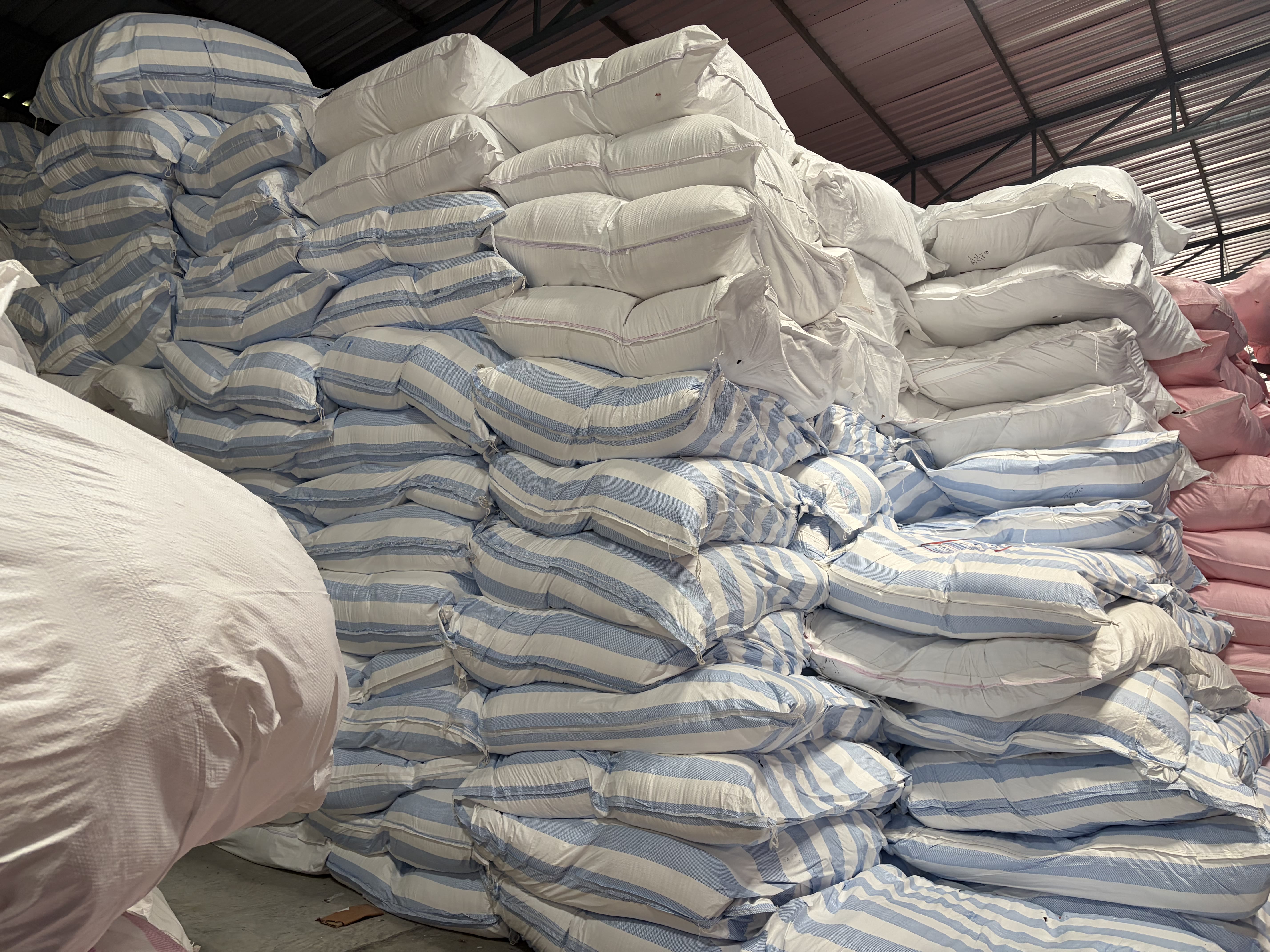
Packing
Poly-bagged and baled by product and colour, ready for carton loading.
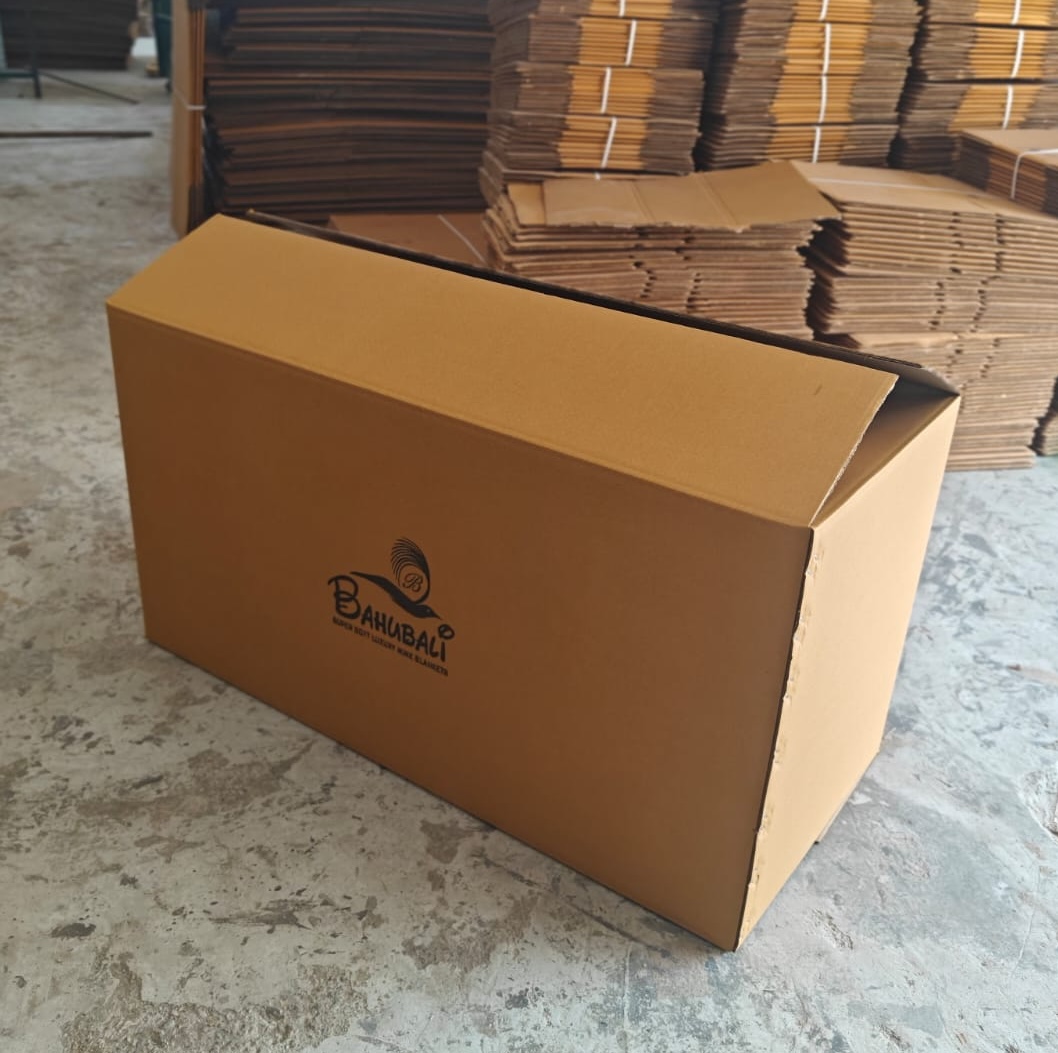
08 / 08 · Despatch
Cartoning and despatch
Cartoned for domestic despatch or container loading for export. Carton dimensions and container loading figures are shared on enquiry, so an importer can do the maths before asking for a rate.
Water, effluent and consent
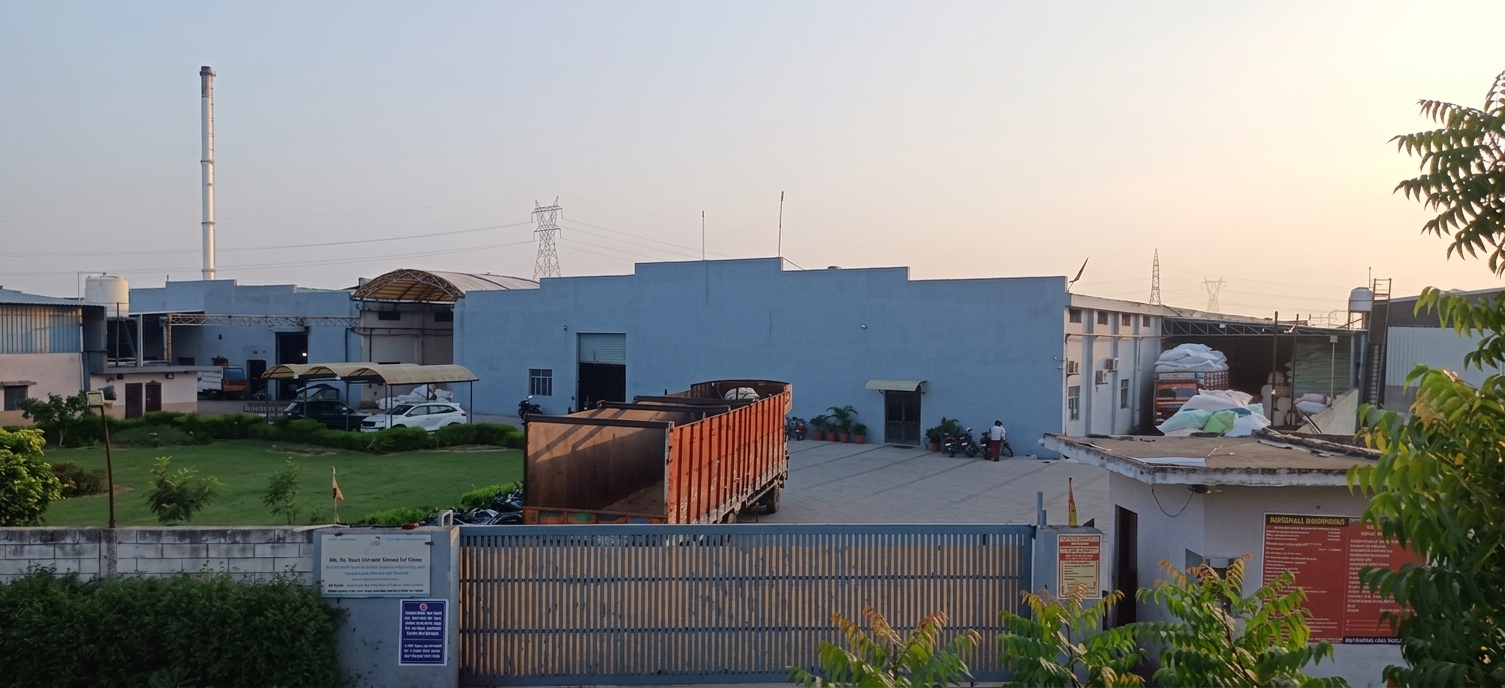
Printing and finishing use water, and what happens to that water afterwards is a fair question for any buyer to ask. We run an effluent treatment plant on site and operate under Haryana State Pollution Control Board consent.
Buyers in Europe and the Gulf increasingly ask for this in the first email rather than the tenth. It is published here so the answer arrives before the question.
Quality checks
Weight and GSM are checked against specification at finishing, and every piece is visually inspected before bagging. Shrinkage, colour fastness and pilling parameters are shared on request — tell us which standard your market works to and we will confirm against it.
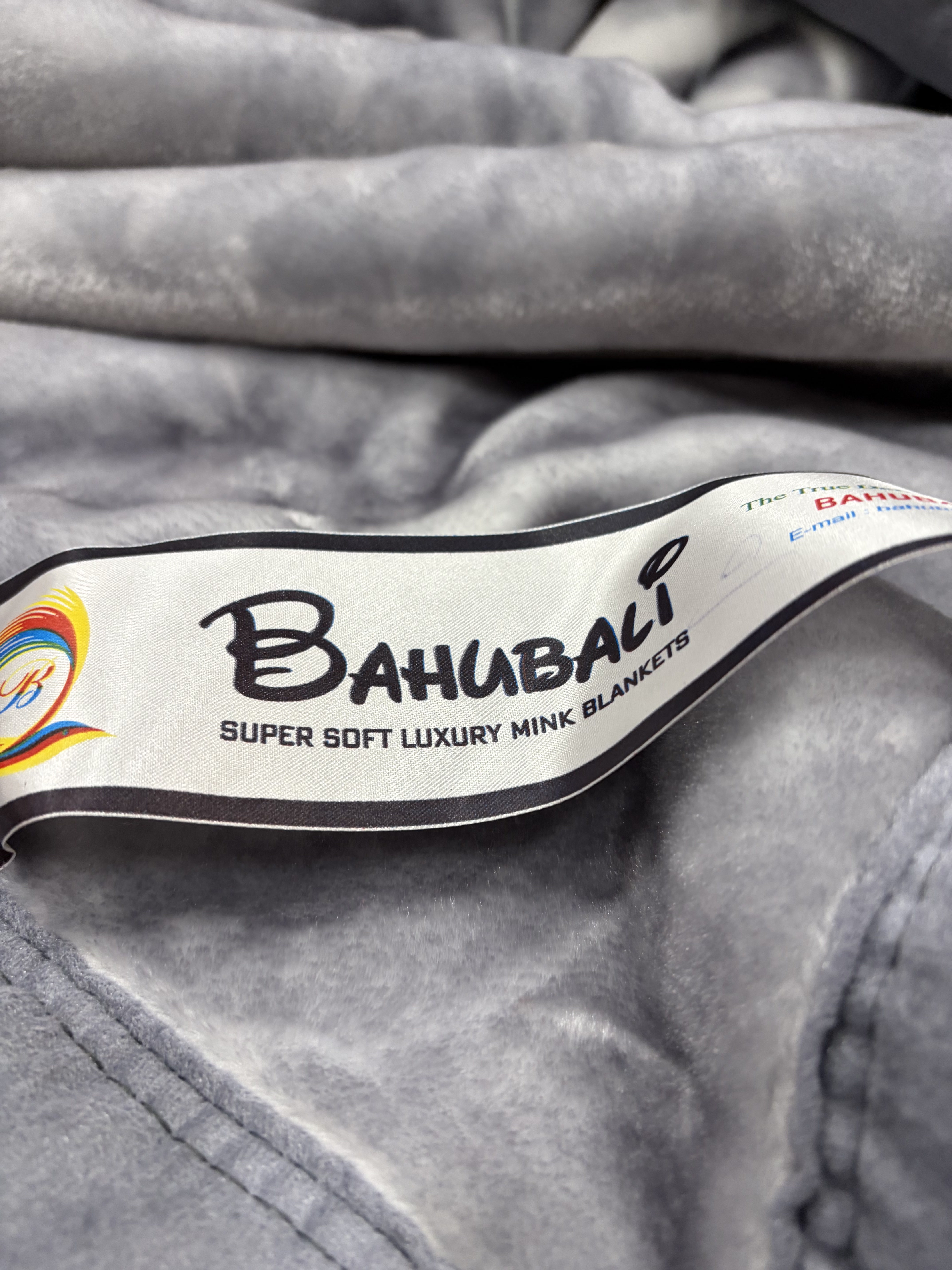
Every piece carries the Bahubali tag
Sewn into every blanket that leaves finishing — the same tag on a hotel order of 2,000 and a single retail piece.
Manufacturing & sustainability
Questions
Ask us anything technical
Test parameters, GSM tolerances, carton dimensions, container loading — whatever your buyer needs to see.